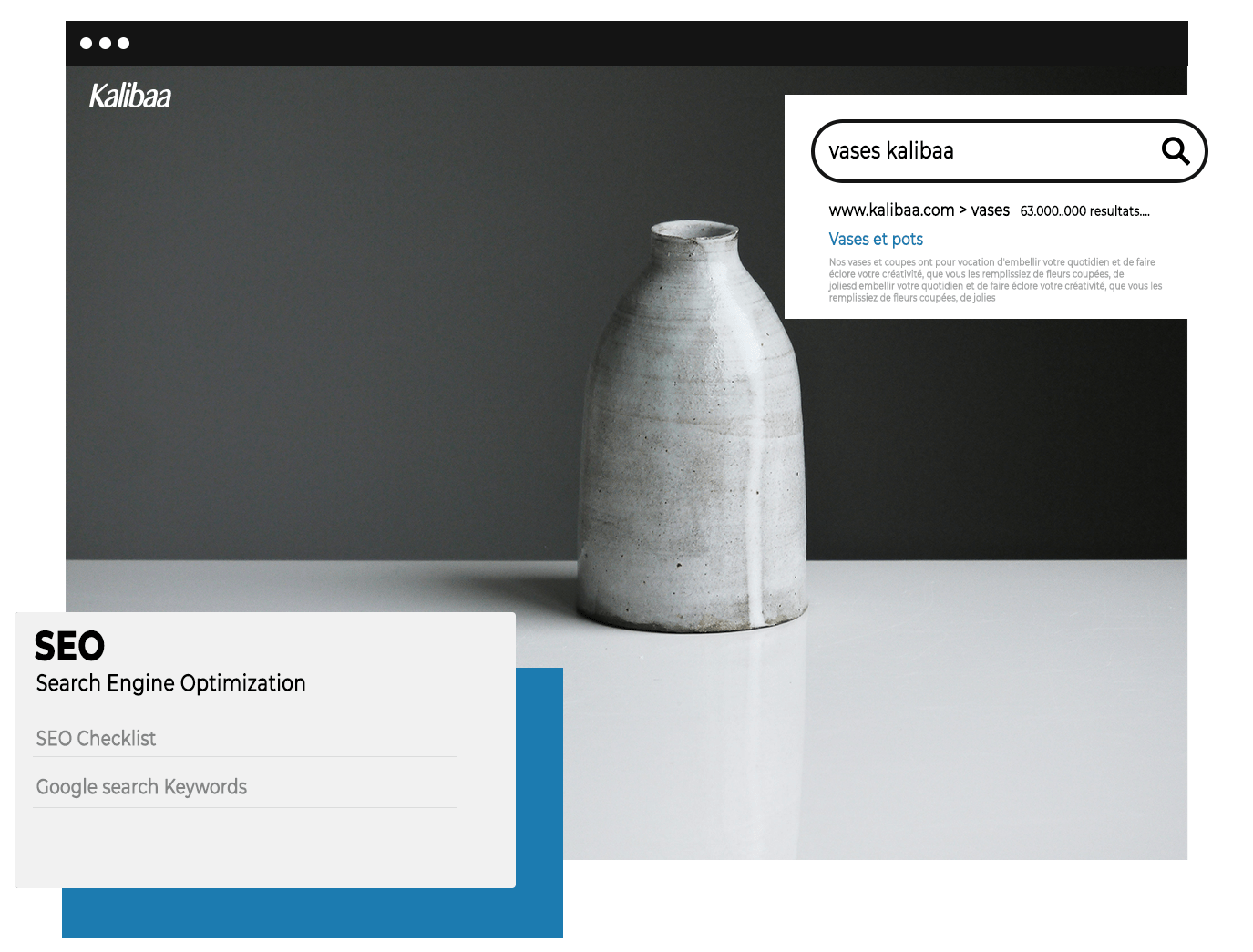
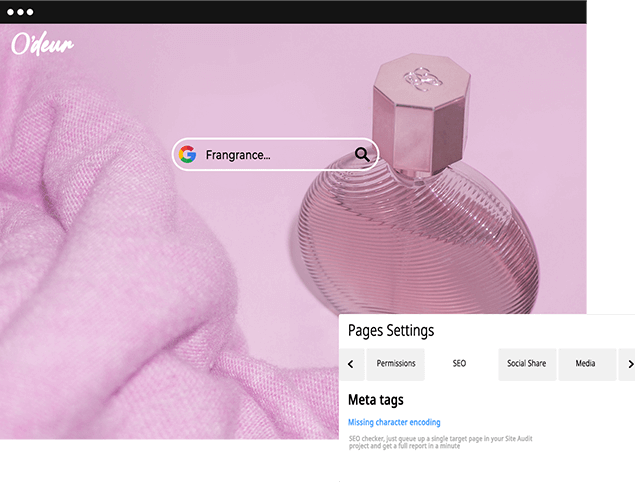
Search optimization
Instead, search engine optimization simply involves taking certain steps to make sure your website is as visible as possible in search results.
Customized Structured Data
Programmable Search Engine helps users find the right page by showing a sample of content that gives search users an idea of what's in the webpage.
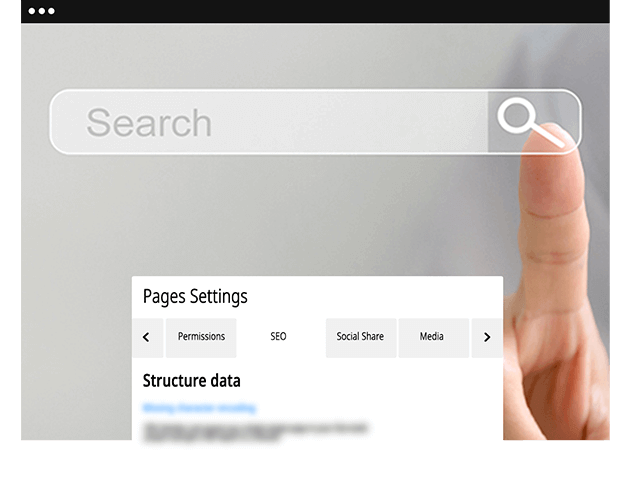
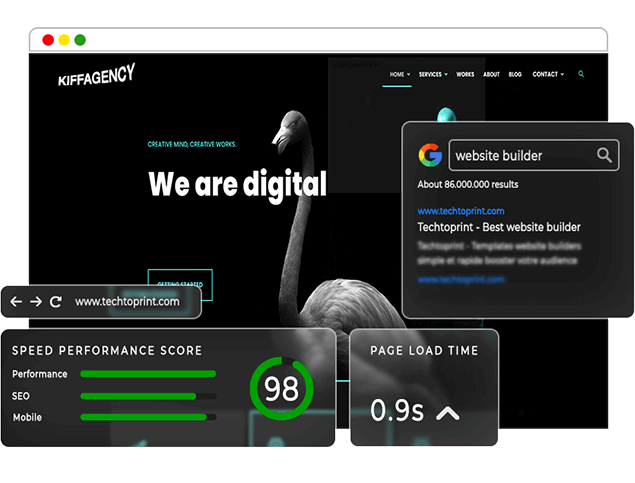
SEO tools advanced
Use advanced SEO tools to optimize your site for search and for visitors.
What your store gets on day one
Search engines do not reward intentions, they reward pages they can fetch, understand and trust. Devaito ships that groundwork with every store, before you write a single line of content.
A sitemap that only lists real pages
Your sitemap is rebuilt from your actual content, not from a list of intentions. A page that was unpublished, a product without a template, a blog you have not written yet: none of them are submitted. Every URL it declares answers 200 and points to itself as canonical, which is the single most common reason a sitemap gets ignored.
Redirects that survive your edits
Rename a page and the old address keeps working. Devaito records a permanent redirect to the new one and flattens any chain it creates, so a link shared two years ago still lands on the right page instead of an error.
Structured data written for you
Organisation, site, page, product, price and availability, opening hours, article and author are described in the format search engines read directly. This is what makes a result show a price, a rating or a date instead of a plain blue link.
Instant indexing signals
When you publish, Devaito notifies the search engines that support IndexNow instead of waiting for the next crawl. New products and articles are discovered in minutes rather than days.
Titles and descriptions you control
Every page, product and article has its own title, description and social preview, in each of your languages. You can write them yourself or have them drafted for you, then edit anything you disagree with.
Control over what stays private
Checkout, account, thank-you and internal pages are kept out of the index. Pages that are not ready are marked accordingly instead of being crawled and quietly rejected.
One store, six languages, no duplicate content
Translating a store usually creates a new problem: several addresses competing for the same query. Devaito publishes each language under its own address and declares the relationship between them, so search engines serve the Spanish page to a Spanish reader and the Arabic page, right to left, to an Arabic one, without either version cannibalising the other.
Your blog follows the same rule. An article written once can be published across your languages, each version with its own address, its own metadata and its own place in the sitemap.
Speed counts as much as keywords
Search engines measure how your pages behave for a real visitor on a real phone: how fast the main content appears, and whether the layout jumps while it loads. A page that shifts under a reader's thumb is penalised no matter how good the copy is.
Devaito reserves the space of every image and every list before it loads, serves only the fonts and styles a page actually uses, and renders your catalogue and article lists on the server so they are readable before any script runs. That last point matters twice over: it is also what lets AI assistants read your store when they answer a question about it.